

One Decade, One Designation: My Journey Beyond Titles
Lessons Learned from Ten Years in Design, Career Growth, and the True Value of Experience

I began my career at Elves Technology, a small company that created websites and applications for local clients. When I joined, the team was about 25 people, but it quickly grew to 60. The workplace had the energy of a startup, but it was steadily evolving into a more structured, mid-sized company.
Working at Elves was an intense learning experience. I worked on projects ranging from shoestring-budget websites for local businesses to high-stakes designs for one of India’s top jewelry brands. Often, I was handed little more than a client’s visiting card and asked to create a website from scratch—writing content, sourcing images, and designing the interface.
The first two months were tough. I was scared and unsure if I could keep up with the pace and expectations. But my seniors stepped in to guide me, and slowly, I found my rhythm. Before long, I managed multiple projects, took interviews, and became someone everyone on the team wanted to work with. That’s when I felt like I had “arrived.”
Success Without Rewards
Despite being new to the job, I handled responsibilities beyond what a typical fresher would. I hired designers, made critical decisions, and worked independently with little oversight. It was empowering but also a little unsettling—no one could challenge my designs or processes.
While I appreciated the company's trust in me, I began to feel stagnant. The business model relied on low-budget projects, which limited what they could pay their employees, and my paycheck reflected that.
Leaving wasn’t a tough decision. I had reached the ceiling—both financially and in terms of growth. I knew I had to move on if I wanted to continue advancing in my career.

Starting Over—Again
Before joining Synechron, I worked at EDIT Institute, where I discovered a passion for teaching. It was a new challenge that pushed me to learn daily, and I genuinely enjoyed it. However, my mentor, Rohit Mehta, saw greater potential in me. He believed I was ready for the next step and encouraged me to join Synechron.
The day of my interview at Synechron was a turning point. Walking into their office, I sensed the vast growth opportunities. The scale, structure, and professionalism were unlike anything I had experienced before. I was joining at an Associate level despite being a senior in my previous job. Still, the excitement of entering a new environment and meeting inspiring people outweighed my concerns.
At Synechron, the work was highly organized, with well-defined processes. I had to seek approvals, and people questioned my designs—something I hadn’t experienced before. I also worked with big-name clients, which added responsibility and challenge to my role.
Thankfully, my eagerness to learn made the transition seamless. I embraced the structure, soaked in feedback, and thrived on the opportunity to push myself. Subconsciously, I knew this was the beginning of a new phase in my career that rewarded growth.
Working as an IC
Working as an individual contributor (IC) at Synechron was one of the most fulfilling phases of my career. There’s a unique satisfaction in owning your projects, diving deep into your work, and seeing your ideas come to life. Even now, when I take on IC roles, I feel that same sense of joy and creativity.
Being promoted to Senior Associate felt like a milestone—acknowledging my potential. But even with the promotion, I didn’t become complacent. Instead, it reinforced that there was much more to learn and improve.
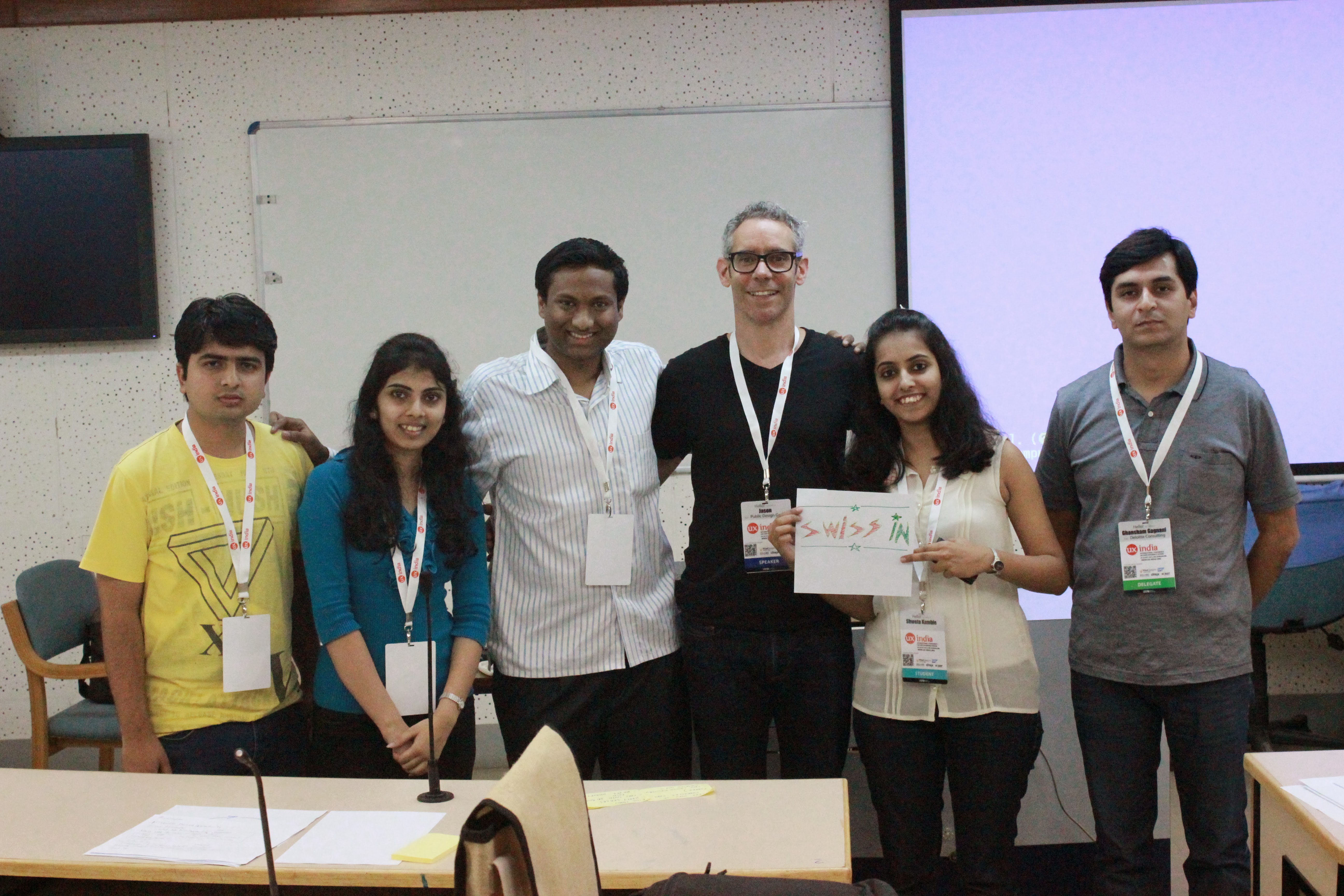
I sought learning opportunities during this time by attending industry events, design meetups, and networking sessions. Meeting passionate individuals inspired me. I wanted to work with people who challenged conventions and pushed the boundaries of design. These interactions expanded my horizons and motivated me to upskill continually.
Learning the Value of Designations
Globant marked a major turning point in my career. Everything felt different—from the work culture to team dynamics and client relationships.
From the interview to my first day, I realized this workplace was unlike any I’d known. For the first time, I truly experienced work-life balance. Globant’s “employee-first” approach was evident in everything they did. It wasn’t just about delivering great work and creating an environment where employees felt valued, supported, and motivated.
The team I joined was exceptionally talented, and I often questioned if I was good enough to work alongside them. But that doubt didn’t last long. The team’s openness and warmth made collaboration easy. Regular Mixers, where team members shared knowledge, became a highlight of my time there. I even hosted a few, sharing insights I’d gained over the years. These sessions were rich with learning opportunities, reinforcing how much there was to grow professionally and personally.
One thing that stood out was the value placed on academic credentials. While I had made peace with my journey—starting at Synechron without a formal design degree—Globant showed me that experience and skill truly defined your career trajectory. Titles and backgrounds might set the stage, but a willingness to learn, adapt, and contribute was what mattered most.
Snapshot of the Journey and Reflections
Starting at a small company, I had the freedom to experiment and try new things. Eventually, I realized that larger organizations offer structure and processes that help you grow more definedly. Those processes set standards, enforce best practices, and provide frameworks for growth.
One lesson that stands out is the importance of communication. Almost every mistake I made stemmed from a lack of clear communication with the right stakeholders. Whether it’s your team, manager, or client, you must clearly articulate your thoughts, expectations, and challenges.
Another realization was how crucial it is to align your personal goals with your company’s. If your vision doesn’t match, it can lead to frustration and stagnation. Likewise, your team can push you to grow or hold you back. Being surrounded by the right people can make a huge difference in your development.
And then there’s the role of a good manager. A strong leader provides guidance, mentorship, and opportunities. But even the best manager can’t read your mind—clear communication is essential. Share your expectations and ambitions. One mantra has stayed with me: “If you don’t ask, the answer is always no.”
For me, growth is simple. If I know more today than I did yesterday, I’ve grown. Success is when I can use that knowledge to solve problems and create meaningful impact.
Growth Beyond Titles
When I joined Bajaj as a Lead Designer, I brought a decade of experience. But more importantly, I had a different perspective on designations. After spending ten years as a Senior Designer, I saw titles as nothing more than labels.
Your designation doesn’t define the value you bring—your skills do. Your skills define the problems you solve and how others perceive and value your contributions.
I’ve interviewed many designers who turned down great opportunities because the job title didn’t meet their expectations. Some focused too much on having “manager” in their title, while others quickly accepted offers that didn’t align with their long-term growth.
The key lesson I’ve learned is that the worth of a role is more than its title. Titles are subjective; companies evaluate you based on experience and compensation, not just your title. A “Team Leader” earning ₹12 LPA may be viewed as a fresher in an organization where freshers start at ₹14 LPA. Numbers often tell a more straightforward story.
Titles are fleeting, but your work and the impact you create are lasting. Prioritize the quality of your work, learning opportunities, and compensation. Personal growth and professional recognition are essential but aren’t always tied to your title.
The Takeaway
Looking back on my decade-long journey, one truth stands out: growth is not about titles. Titles can mislead and inflate or deflate your sense of accomplishment. Actual growth lies in the skills you develop, the knowledge you gain, and how you apply them to create value.
The most important lessons I’ve learned are rooted in introspection and adaptability. Continuously assess your growth—both personally and professionally. Are you solving more significant problems? Are you learning and applying new things daily? That’s real progress.
It’s vital to align your personal goals with your company’s. If there’s a mismatch, frustration and missed opportunities can follow. Clear communication with your team and managers is equally crucial. Your expectations and ambitions should never be left unsaid. As someone once told me, “If you don’t ask, the answer is always no.”
Lastly, surround yourself with the right people. A great team and supportive leadership can transform your career. The right environment can amplify your growth, while the wrong one can hold you back. Find mentors, colleagues, and even juniors who challenge and push you to excel.
For me, growth is simple: if I know more today than I did yesterday and can use that knowledge to create something impactful, I’ve succeeded.
Note: I have written this article with the assistance of ChatGPT and Grammarly.
I do not claim to be right; I have shared my personal experiences entirely

Join Yashodhan on Peerlist!
Join amazing folks like Yashodhan and thousands of other builders on Peerlist.
0
13
0