Best Website Analytics Tools for Indie Hackers and Developers (2025)
Privacy-Friendly, Open Source & Lightweight Website Analytics Tools Compared.

Akash Bhadange
Jul 25, 2025 • 4 min read
If you're building a website, side project, or product in 2025, you're likely looking for a better, simpler, and more privacy-respecting way to track your visitors than Google Analytics. You’re not alone. Many indie hackers, solo founders, and small teams have started looking for a more lightweight and focused website analytics tool.
Google Analytics is powerful—but bloated. It’s overkill for most solo projects and side hustles. It’s hard to understand, filled with jargon, and now tied heavily to Google’s ad ecosystem. Plus, it’s not very privacy-friendly.
This is why we put together this guide.
We’ve tested and studied over a dozen website analytics platforms and shortlisted the best ones specifically for indie builders. These tools are lightweight, privacy-respecting, and easy to set up.
Note: We’ve intentionally skipped enterprise-heavy tools like Amplitude, Heap, or Adobe Analytics. They are great for large product teams or funded startups with in-house analysts—but unnecessary for most individual builders.
What Makes a Great Google Analytics Alternative?
Before we dive in, here’s what we looked for when evaluating each tool:
Ease of use: Can you get value without being a data nerd?
Privacy-first: Does it respect user data? GDPR/CCPA compliant?
Simple installation: Does it work with one snippet? No extra bloat?
Event tracking: Can you track custom actions, not just pageviews?
Self-hosting: For devs who want control and zero vendor lock-in.
Free plan or affordable pricing: Because you're bootstrapping.
Plausible Analytics
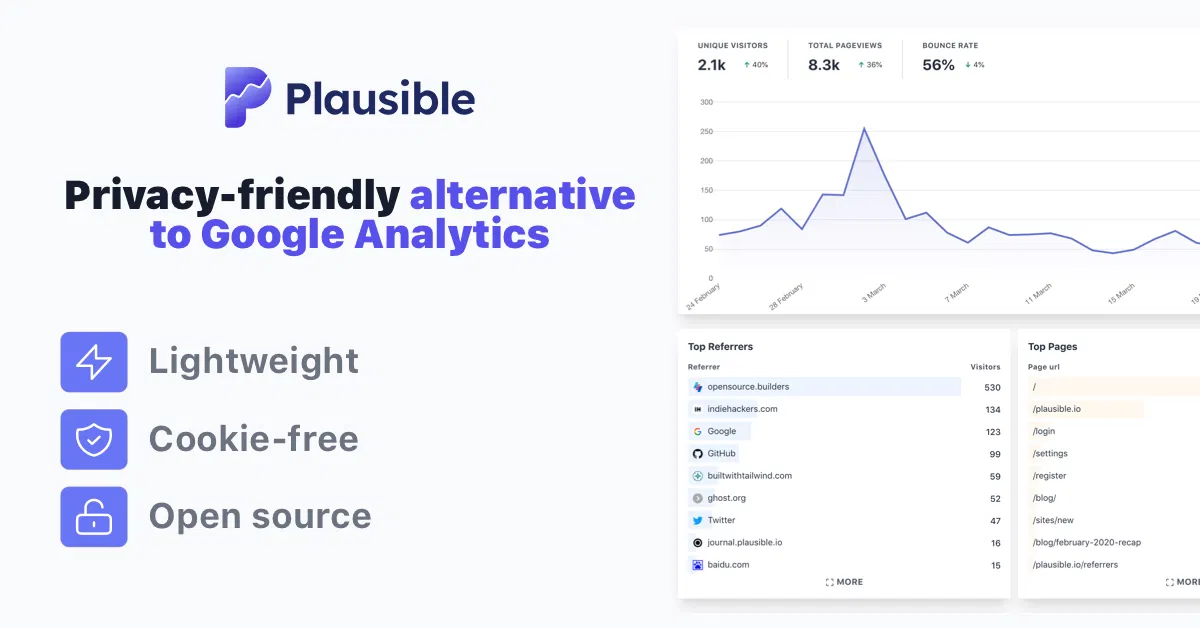
A clean, open-source, privacy-first alternative. It doesn’t use cookies and works great out of the box. You get real-time data, simple charts, and basic event tracking.
Best for: Bloggers, devs, and product builders
Why it’s good: Minimal UI, no cookie banners, works fast
Bonus: Can be self-hosted
Fathom Analytics
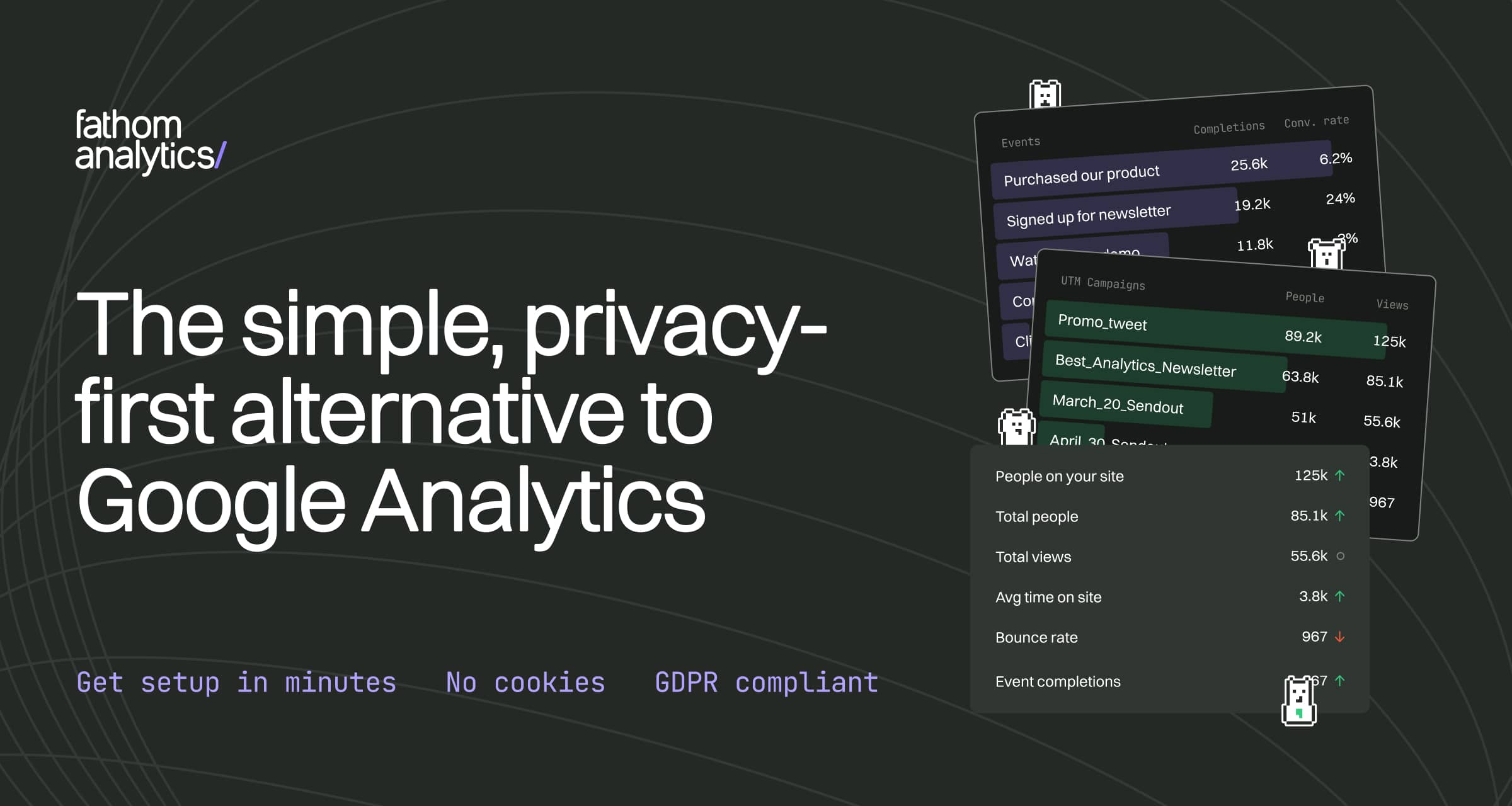
Fathom is fast, beautiful, and also privacy-first. It doesn’t track users personally and doesn’t need a cookie banner. Their paid plan is simple and flat—no confusing usage tiers.
Best for: Agencies, creators, and startups
Why it’s good: One-page clean dashboard, instant load time
Bonus: Shared dashboards, easy team invites
Simple Analytics
As the name says, it's simple. It tracks only essential data like referrers, time on site, and pages viewed—without collecting personal info.
Best for: Privacy-conscious founders
Why it’s good: Clean, ethical analytics
Bonus: Lets you see what people click on, even without events
Seline
A newer but impressive tool built for devs. Offers a simple API, no cookie banners, and good docs. Plus, it launched on Peerlist Launchpad and quickly became a top product of the week.
Best for: Developers building micro-SaaS or tools
Why it’s good: REST API, image-based analytics, and fallback handling
Bonus: Zero storage—Seline handles hosting
Umami
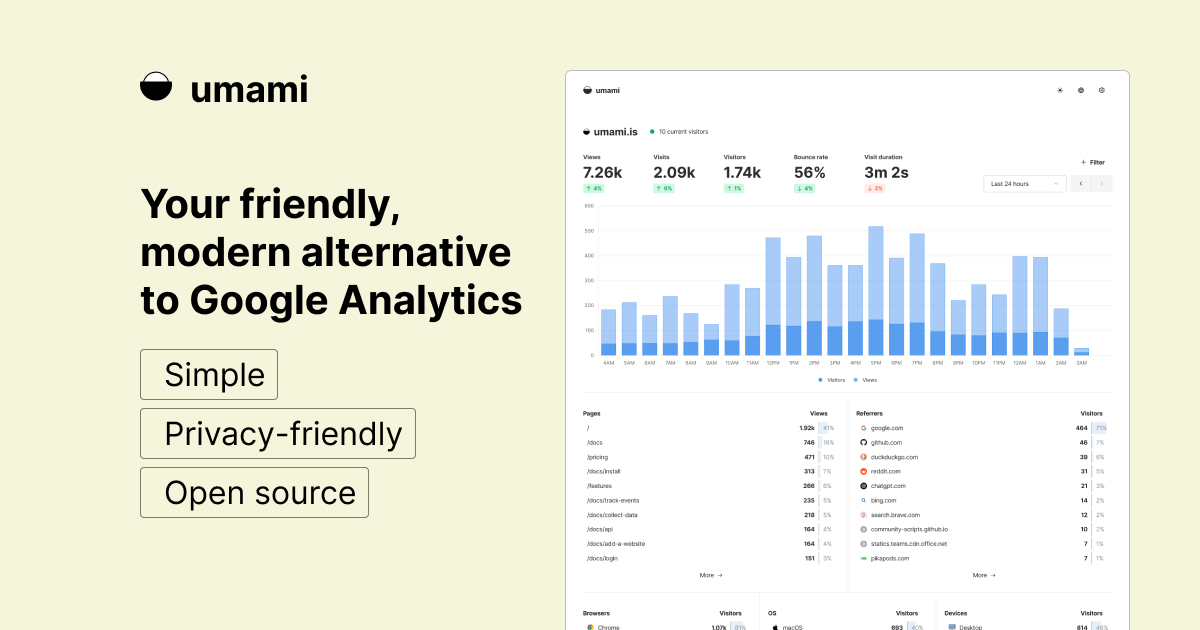
If you want a free and open-source tool, Umami is your go-to. It has all the basic metrics you’d expect and can be self-hosted easily with Docker.
Best for: Developers who love open-source
Why it’s good: Lightweight, real-time data
Bonus: No personal data collected, ever
Matomo (On-Premise)
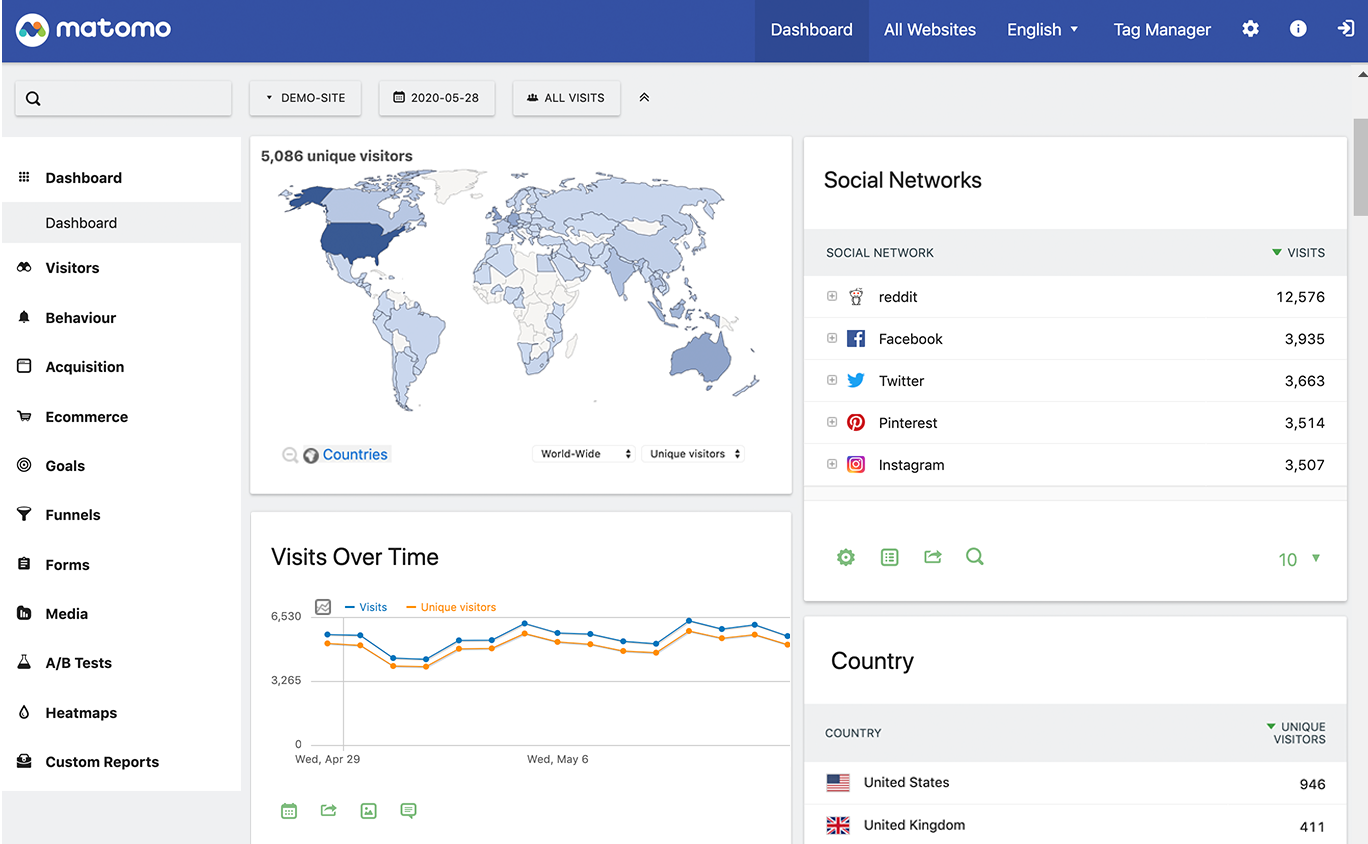
If you want all the features of Google Analytics without the privacy mess, Matomo is the closest. But it's heavy, and not for everyone. You’ll need time and some sysadmin comfort.
Best for: Self-hosters who want enterprise features
Why it’s good: Custom reports, goal tracking, A/B testing
Bonus: Full ownership of your data
Ackee
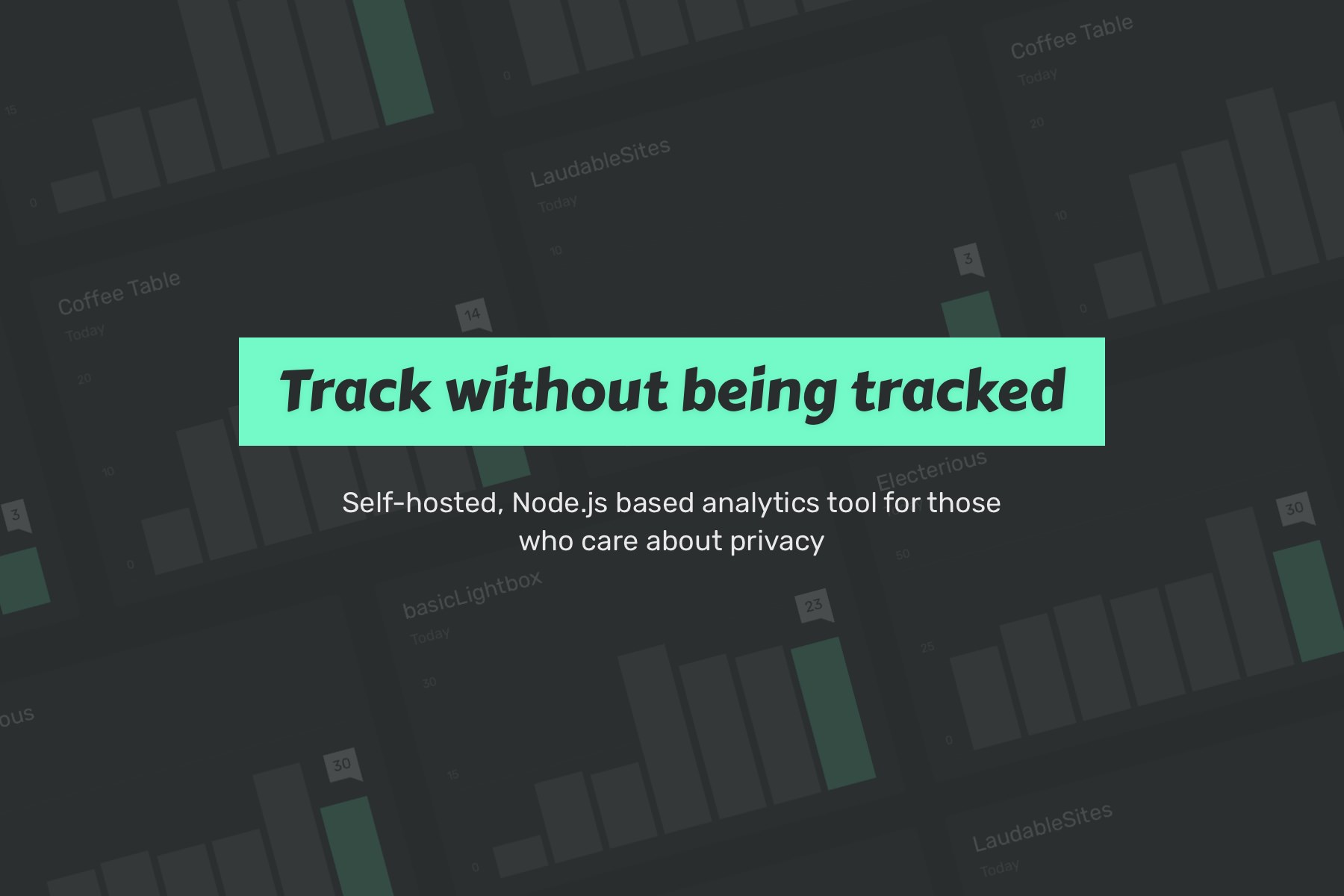
Ackee is another open-source tool with a focus on privacy. It provides a sleek UI, lets you track events, and doesn't use cookies or store IP addresses.
Best for: Devs who want full control
Why it’s good: Simple JS snippet, easy to self-host
Bonus: Works great for single-page apps
Shynet
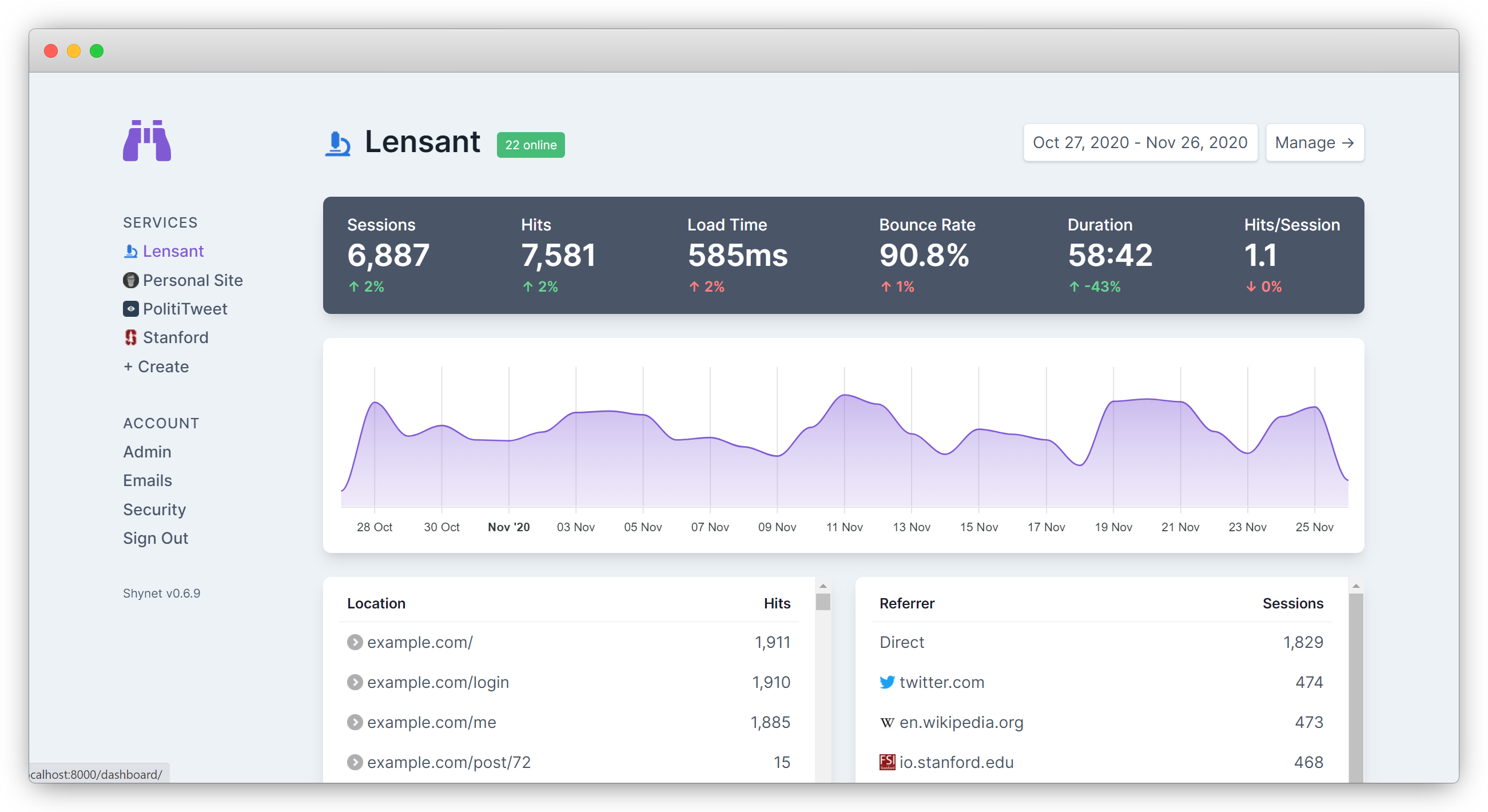
Clean, zero-cookie analytics with a very basic dashboard. It gives just enough data—great for anyone who wants a no-fuss setup.
Best for: Makers who want a quiet backend
Why it’s good: No fluff, no bloat
Bonus: Free and open-source
So Which One Should You Use?
If you're looking for the easiest drop-in replacement for Google Analytics, go with Plausible or Fathom.
If you’re a developer and want more control, Umami, Ackee, or Seline will give you flexibility with a modern interface.
For privacy purists and open-source fans, GoatCounter and Shynet are solid, no-frills choices.
Ultimately, it depends on your comfort level, what kind of data you need, and how much effort you're willing to put in.
Website analytics doesn’t have to feel like spying. There’s a growing wave of privacy-respecting, developer-friendly tools that make it easier to understand your users without compromising their trust.
As indie hackers, your time and energy are limited. Choose a tool that’s simple, fast, and gives you just enough to make smart decisions—not something that buries you in graphs you don’t need.
Build fast. Track clean. Respect privacy.